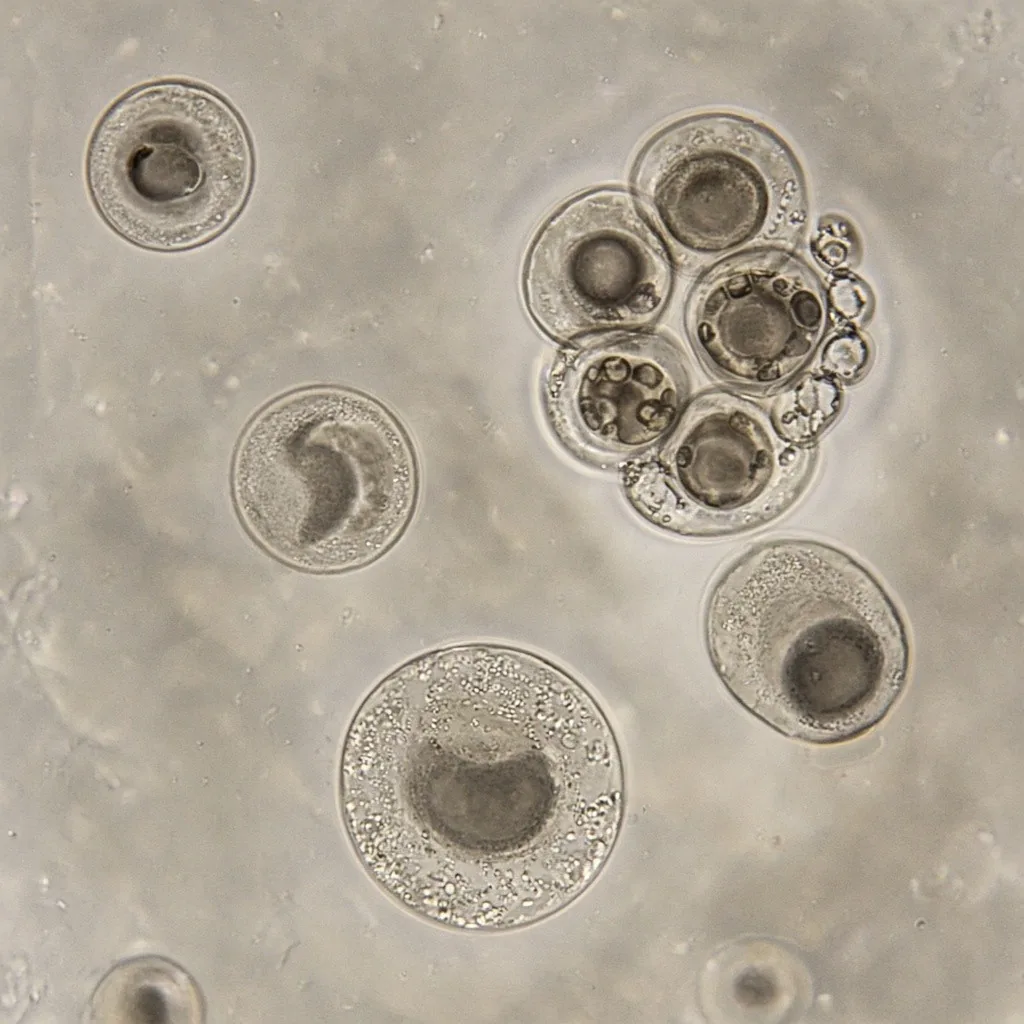
Turning biology into earlier decisions
We build predictive models from a lab’s own history to estimate which batch, donor or sample will work before it is processed.
A failed batch is discovered once it has already been paid for
Biological material varies, and today you only find out whether it worked at the end of the process.
The data to anticipate it already exists, but it is scattered. The first step is connecting it.
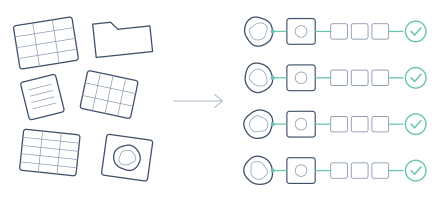
Questions a lab’s data can already answer
- Will this batch reach specification?
- Is this donor worth processing?
- Which part of the result comes from the treatment and which was already there?
- Do we continue this differentiation or stop?
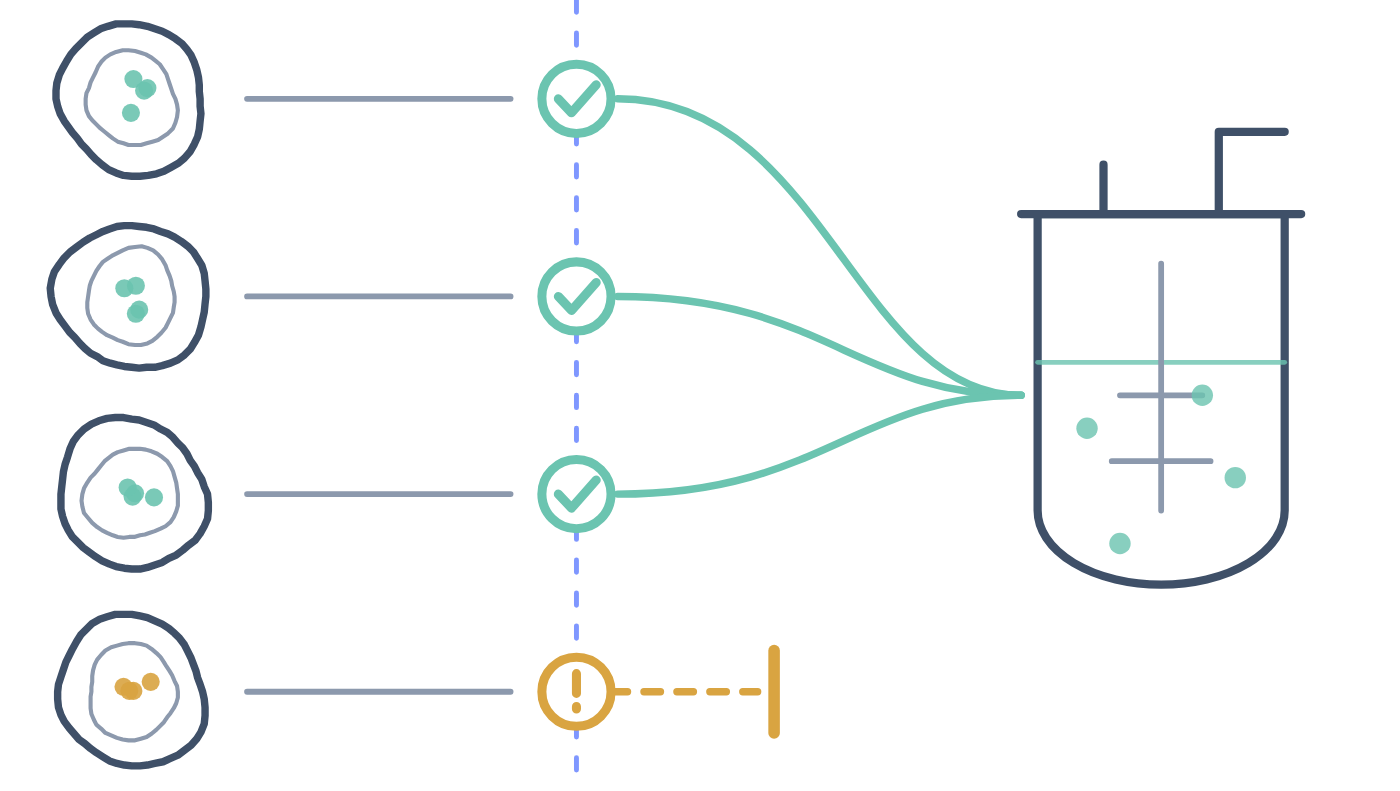
Our values
Rigour
If we cannot explain why a model predicts something, we do not accept it.
Reliability
We care more about where a model fails than where it succeeds. That way you know when to trust it.
Closeness
We start from your decision, not from the technology, and talk about batches, donors and protocols the way your team does.
Curiosity
Every material is different, so every model is built for that material and that process.
Where it applies. The method is shared, the model is specific to each material
Primary hepatocytes
Human skin
Pancreatic islets
Cell therapy
iPSC differentiation
Which decision would you like to make earlier?
The first step is checking whether the data is enough for that decision. Sometimes the answer is no, and we will tell you that too.